Church Event Inflatables: Family-Friendly Ideas for Fairs and Festivals
Church fairs thrive on energy, laughter, and the kind of shared experience that lets strangers become neighbors. Inflatables do this work well. They fill a field with color, they pull kids like magnets, and they give volunteers a clear way to engage families. With the right planning, they also respect budgets and safety standards, two things that matter just as much as fun.
I have helped plan church festivals on everything from compact parking lots to multi-acre lawns. The most successful events treat inflatables not as a novelty, but as a core element of hospitality. That means matching pieces to your people, laying out the grounds for flow, and choosing vendors who understand ministry settings. What follows is a practical guide to get there.
Why inflatables belong at church fairs
Inflatables are scalable. You can run a joyful afternoon with two bounce house rentals and a set of carnival game rentals, or build a full-day festival with an inflatable obstacle course, a combo bounce house, and water slide rentals. They work across ages, and they let parents participate by cheering, timing a race, or taking photos. For a congregation, this matters. It creates natural points of contact between volunteers and guests without forcing small talk.
They also simplify programming. Once the gear is on site, a single church leader can direct multiple zones staffed by trained volunteers. Compared with stage-heavy formats that need rehearsals and sound checks, inflatable party rentals usually deliver a high fun-per-minute ratio.
Read your crowd, read your grounds
Successful selections begin with context. A youth group lock-in with 120 teens wants speed and competition. A Saturday outreach fair serving neighbors with toddlers and early elementary kids needs gentle climbs and shorter slides. Mixed crowds of 300 to 500 guests spread across three hours do best with variety and clear queues.
Space drives choices too. Small asphalt lots tolerate classic jumper rentals and moonwalk rentals well, especially with foam tiles at entrances and sandbags for anchoring. Grassy fields support tall pieces and wider footprints. Measure realistically, not optimistically. Vendors publish dimensions that include blowers and safe zones for entry. A 13 by 13 bounce unit usually needs a 15 by 15 pad. A medium water slide may require 30 feet of length and 15 to 18 feet of width, with a hose connection and steady drainage.
Safety is ministry
Nothing builds trust like a safe, organized play area. Ask vendors about their inspection and cleaning regimen. Quality operators sanitize vinyl between rentals and show proof of annual inspections where required. Every inflatable should have stakes or adequately weighted ballast, secured to manufacturer specifications. On grass, that usually means 18 inch steel stakes at the corners and key midpoints. On pavement, plan for heavy weights, often 150 to 250 pounds per tether. Do not accept “we will figure it out on site.”
Blowers should be grounded and powered by dedicated circuits. A 1.5 horsepower blower draws roughly 8 to 10 amps under load. A large obstacle course might need two or three blowers. If you are running five or six units, line up separate circuits or rent a quiet generator from a reliable event rentals company. Volunteers need a briefing on wind limits. Many manufacturers recommend taking units down at sustained winds over 15 to 20 miles per hour. Keep a handheld anemometer at check-in. It costs less than a carnival banner and earns its keep.
Clear rules help more than stern ones. Set capacity limits by age range. Post them big. Assign volunteers as gatekeepers and coaches, not bouncers. Use gentle, repetitive language. Parents hear your tone and decide if you are on their side.
A quick age fit guide
- Toddlers and preschool: small bounce house rentals or mini combo units with short slides, low entrances, and open viewing for parents.
- Grades K to 3: medium moonwalk rentals and combo bounce house options with pop-ups and 10 to 12 foot slides.
- Grades 4 to 6: longer inflatable obstacle course sections and taller dry slides where line turnover stays quick.
- Middle and high school: competitive obstacle course rentals, bungee runs, or gladiator-style jousts when available and insured.
- Mixed family groups: two or three parallel units with posted age bands to keep play speeds compatible.
Layout and flow that lowers stress
Good layouts save your volunteers and make parents feel at ease. Group inflatables by energy level, not by what looks pretty on a map. Keep the toddler zone near seating and away from ball-throw games. Put noisy blowers behind fencing or shrubs if possible, and never where they will blast into conversation areas.
I like lanes, not clusters. Picture a main walkway with inflatables angled slightly toward it. This gives parents sight lines while kids queue without spilling across paths. Provide queue flags about ten feet from entrances. Tape or chalk subtle line markers on asphalt. If you have a wet zone with water slide rentals, create a clear buffer with signage and a shoe-drop tarp. Add a second tarp at the slide exit to reduce mud.
Volunteers who make it work
A modest festival with four inflatables needs eight to ten volunteers on rotation. Two per unit works best: one at the gate managing capacity and instructions, one at the exit helping with timing, stray shoes, and smiles. An experienced floater walks the line, answers questions, and gives breaks. Thirty minute shifts keep energy high. Teach a simple script: welcome, age or capacity check, safe entry, count to sixty or ninety when busy, then a friendly “two more jumps and out.”
Train on hand signals and closings. If a blower trips, the unit will soften but should not collapse instantly. Volunteers usher kids to the exit calmly while another resets power. Practice this once before crowds arrive. Use radios sparingly and clearly, one channel for safety, another for logistics like concession refills or table and chair rentals delivery questions.
Budgeting and the rental strategy
Church budgets vary. In suburban markets, a standard 13 by 13 bounce house runs roughly 120 to 200 dollars for a day. Combo units land in the 200 to 350 range. Mid-size water slide rentals often cost 300 to 500, and a long inflatable obstacle course with two or three sections can run 450 to 900 depending on length and brand. Prices swing by season and city. If you search for inflatable rentals near me and see unusually low prices, ask why. Sometimes it is a weekday special, sometimes a sign of thin insurance or older inventory.
Bundle smart. Vendors often discount when you book multiple items or add party equipment rentals like generators, table and chair rentals, and concession machine rentals for popcorn, cotton candy, or sno cones. One supplier on a single truck saves time and headaches. If your fair spans two days, negotiate a second-day rate. Sunday afternoons after services can be a sweet spot, since Saturday is peak delivery day for many operators.
Decide early if your event is free play or ticketed. Wristbands at 5 to 10 dollars per child with a family cap usually cover most inflatable costs at mid-size church festivals. Donation buckets at exits can work, but they fund less predictably.
Choosing the right mix
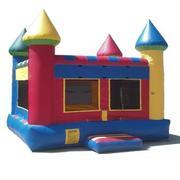
Bounce house rentals are the backbone. They turn any patch of ground into a safe jumping space. Parents understand them instantly, which keeps lines moving. Moonwalk rentals and jumper rentals are often the same thing under different regional names, so focus on condition, size, and themes that fit your church’s style.
Combo bounce house units add a slide and small obstacles inside. They boost throughput with multiple activities in a single footprint. For younger grades, they feel like getting three rides at once. Obstacle course rentals change the tone. Kids race in pairs, and peers become a cheering section. A 30 to 65 foot inflatable obstacle course covers most use cases. Longer ones are a showpiece, but consider set-up time, anchoring needs, and how wide your delivery gates are.
Water slide rentals deserve their own plan. They draw huge lines in warm weather and require strict rules. Decide if you allow headfirst sliding, how you manage height minimums, and where runoff goes. Pair water slides with easy shade options like pop-up tents where parents can watch. Keep electric blowers and extension cord connections away from wet zones with physical barriers.
For older kids and teens, ask vendors about interactive inflatables like sports challenges or mechanical attractions covered under their insurance. Just check that your policy and risk management team are aligned. Some churches prefer to keep it classic to avoid added liability. That is a respectable call.
Carnival games and simple wins
Not every child wants to bounce. Carnival game rentals, from ring toss to mini basketball, give quieter kids a place to shine. Mix in simple prizes, even sticker sheets or church-branded pencils. It costs little and makes lines feel shorter across the grounds. If you have the room, space carnival games between inflatables to prevent one large noisy zone. A shared scoreboard for a free-throw contest or timed bean bag accuracy challenge adds a low-tech thrill that parents often enjoy as much as kids.
Accessibility and sensory-friendly choices
Inclusion is not a bonus feature. It is the point. Provide at least one low-sensory area with shade, seating, and quiet toys. Offer noise-dampening headphones at the welcome table. Post clear visual schedules showing what attractions you have and where lines begin. Some bounce units have extra-wide doors that help children who use mobility devices or who need caregiver assistance. Set designated times, even thirty minute windows, where volunteers reduce crowding and allow siblings to accompany a child who needs extra support.
Weather and the calendar
Spring brings wind. Summer brings heat. Fall can surprise with early dusk. Match the schedule to the season. In hot climates, start at 9 a.m. And end by noon or Dunk tank rentals shift to early evening with lighting planned. Hydration becomes infrastructure, not an afterthought. Set water coolers near lines and restock often. On breezy days, use wind breaks like parked vans or temporary fencing positioned upwind of slides. If you run a rain date policy, put it in bold on your flyers and social posts. Vendors appreciate clarity, and so do families arranging nap schedules.
Power, anchoring, and surfaces
Great inflatables can become bad ones if power is sloppy. Run the fewest, shortest, heaviest-gauge extension cords possible. Most vendors bring what they trust. If you supply power, map circuits during setup with a plug-in tester. Label outlets and cords with painter’s tape. Keep blower intake clear of trash bags and leaves. If you hear a high-pitched whine, a blower may be choking or a cord overheating.
Surfaces matter. On grass, mow a day or two ahead and remove sprinkler flags. On asphalt, sweep and lay entry mats. Ask your vendor to bring foam or carpets for entrances to protect small feet from heat. If your site sits on a slope, place bouncers parallel to the grade, uphill side at the entrance. This reduces the feeling of a slide pushing too fast and makes supervision easier.
Working with vendors you can trust
When you call around for event rentals, listen for process. Responsible companies ask about site access, surface type, power, insurance requirements, and supervision. They volunteer their policy on wind and weather. They confirm that you are planning church event inflatables and may suggest items known to be popular and safe in faith-community settings. Ask for a certificate of insurance listing your church as additional insured. Ask how they clean, how they train their crews, and whether they background-check drivers who will be on grounds during children’s events.
If a vendor seems rushed obstacle course rental packages or dismissive in the planning phase, they will likely be the same on event day. Pay a fair rate for a partner, not a drop-and-run service.
Ticketing, queues, and time fairness
Long lines grind momentum. Two methods work. First, post clear single-use lines with a volunteer timing cycles to 60 to 120 seconds depending on crowd size. Second, use colored wristbands by time block. For example, blue bands ride between 1:00 and 1:30, green between 1:30 and 2:00. This evens out pressure and lets families visit concessions or ministry booths between rides. Avoid micro-tickets per ride unless you have a dedicated cashier and signage. It slows everything down and frustrates parents who did not bring small bills.
Food, shade, and places to breathe
People stay longer when they can sit, sip, and talk. Table and chair rentals are not glamorous, but they change the day. Aim for seating equal to 20 to 30 percent of your expected peak headcount. Place shade over at least half those seats if your event runs midday. Concession machine rentals work as both service and aroma marketing. Popcorn brings foot traffic to the welcome area. Sno cones become currency on hot days. If your kitchen crew likes a challenge, pair simple grill items with a bake sale table staffed by a youth fundraiser. Keep food zones upwind of inflatables to avoid crowds pressing through queues with trays.
A pre-event checklist worth taping to your clipboard
- Confirm site map with dimensions, power points, and wind breaks.
- Verify insurance certificates, delivery windows, and anchoring plans with the vendor.
- Assign volunteers to units and shifts with printed names and phone numbers.
- Stage signage: age ranges, capacity limits, wristband colors, restroom arrows.
- Stock essentials: first aid kit, sunscreen, trash liners, zip ties, extra extension cords.
A sample site plan that flows
Imagine a mid-sized church lawn with a paved lot for parking. Set welcome check-in along the path from the lot, with balloons and a small tent. To the right, two bounce house rentals for ages 3 to 7, backed by a low fence line. To the left, a medium combo bounce house pointed slightly toward the welcome tent, so families see the slide in action as they arrive. Past the welcome line, a 40 foot inflatable obstacle course sits lengthwise with starting arches facing the dining area so cheering flows naturally. Behind it, along the back hedge, set a water slide with a dedicated splash zone and shoe corral. Between zones, sprinkle three carnival game rentals and a ring toss that hands out raffle tickets for small prizes later in the day.
Dining happens under three 10 by 20 tents with fans, close enough to watch but far enough to escape the blower hum. The prayer and care tent sits just beyond, staffed by two pastors and a lay leader, visible but not intrusive. A portable handwash station and restrooms are clearly marked from anywhere a parent might stand. It is a field that invites lingering.
Two case snapshots from the field
At a spring family festival with 350 attendees, we ran three inflatables, a dozen carnival games, and two concession machines. The vendor arrived 90 minutes before opening, staked everything with long steel stakes, and walked the site with me. Halfway through, winds picked up to 18 miles per hour. We closed the tallest slide for 20 minutes while gusts passed and reopened after readings dropped below 12. Parents thanked us for the caution, and the line shifted happily to the obstacle course without drama. Having an anemometer and a posted wind policy turned a potential argument into a moment of trust.
In August, we hosted a back-to-school bash on a parking lot. Asphalt heat threatened to wilt the day. We solved it with shade over queues, foam mats at every inflatable entrance, and a rotation plan that gave volunteers five minute water breaks every half hour. We shortened ride cycles to 60 seconds at peak and extended to 90 seconds near the end when crowds thinned. Families felt seen, and the youth group raised enough through wristbands to fund fall retreat scholarships.
Stewardship after the last bounce
Cleanup reflects your values. Have a plan to de-trash the grounds quickly and quietly. Volunteers with grabbers and rolling bins can sweep a medium site in under 45 minutes if assigned by zone. Check the field for stakes and fill any holes if your vendor removed ground anchors. If you borrowed neighbor lots or public spaces, send a thank-you note with a photo from the day. People remember courtesy.
From a budgeting angle, record hard numbers. How many wristbands sold, what lines spiked when, how your generator load actually ran. Debriefs matter. The next time you search for corporate event rentals or school event rentals with similar needs, you can speak from data, not guesses.
Communication that serves the day
Clear messaging lowers the bar for participation. In flyers and posts, list what to bring, like socks for jumpers, swimwear if water slides will run, and a reminder about wristband pricing with any family caps. The phrase “volunteers are happy to help kids with sensory needs” invites families who often sit out public events. Share photos of last year’s church event inflatables, not stock images. Trust grows when people can imagine themselves there.
On event day, a morning text to volunteers with parking instructions, weather notes, and the link to the site map saves a dozen last-minute calls. If you use a church app or email, push a friendly reminder two hours before start with parking overflow details and a note about busiest times. It smooths arrival waves.
When to scale up, when to keep it simple
Not every fair needs the giant centerpiece. Sometimes three well-run stations and good shade beat a sprawling midway. Scale fits mission. If your goal is neighborhood welcome, prioritize visible hospitality like greeters, seating, and strollers at rest. If you aim to reward a thriving kids ministry, invest in a bigger inflatable obstacle course or an extra combo unit to cut wait times to under five minutes. There is wisdom in both paths.
The market helps you flex. Most regions have multiple providers of inflatable party rentals. Calling two or three vendors with your actual plan in hand will surface creative options and pricing packages. The best operators listen, shape, and deliver. They understand that bounce house rentals are more than vinyl and blowers. In the right hands, they are tools for community, and that is worth getting right.
A church fair that hums usually feels effortless to guests. Chairs are where they want to be. Lines move. Volunteers smile without faking it. Kids leave tired and full of stories. Behind that ease sits a hundred small decisions about layout, safety, staffing, and the right mix of attractions. Put inflatables in their proper place within that plan, support them with simple amenities like table and chair rentals and concession machine rentals, and the rest of your festival will rise to meet them.